Recovering from surgery presents many challenges, with pain being one of the biggest concerns. While some discomfort is expected, managing pain plays a crucial role in ensuring a smooth recovery process. Without a structured approach, post-surgical pain can lead to limited mobility, muscle weakness, and delayed healing. Fortunately, at Comber Physical Therapy Fusion Chiropractic, our physical therapists work closely with patients and help with managing pain during post-operative rehabilitation. We develop personalized pain management strategies that restore movement, reduce discomfort, and promote long-term recovery.
Five Steps To Find Relief Once and For All
Step 1: Follow a Personalized Pain Management Plan
Pain management starts with a well-structured approach tailored to the type of surgery and individual recovery needs.
Use prescribed pain relief methods – Medication, ice therapy, and elevation can help manage discomfort, particularly in the first few days after surgery.
Differentiate between normal discomfort and concerning pain – Some soreness is expected, but sharp, persistent, or worsening pain may indicate a complication and should be reported to a healthcare provider.
Incorporate guided physical therapy techniques – Therapists at Comber Physical Therapy Fusion Chiropractic design strategies for managing pain during post-operative rehabilitation that gradually transition patients from medication reliance to movement-based relief methods.
Our proactive approach to pain management ensures a smoother recovery with fewer complications.
Step 2: Use Movement to Prevent Stiffness and Discomfort
Post-surgical immobility can lead to joint stiffness, muscle tightness, and increased pain, making early movement essential.
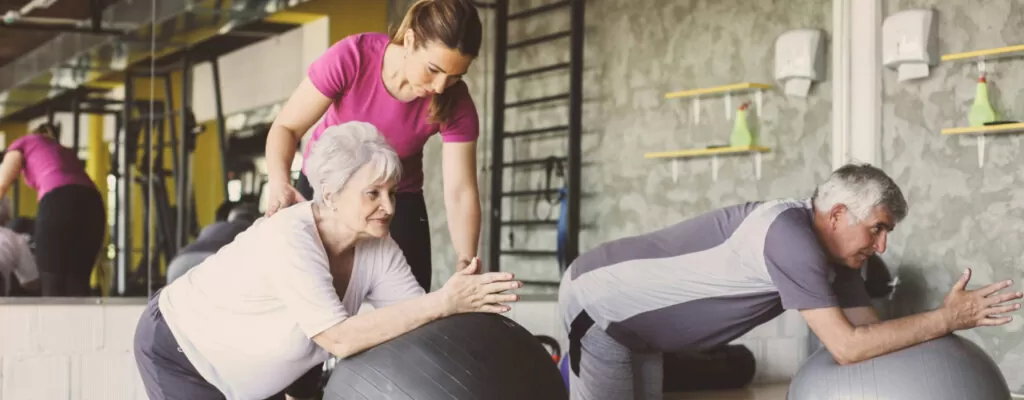
Passive movements – Physical therapists introduce gentle range-of-motion exercises to maintain mobility without excessive strain.
Progress to active movements – Gradual introduction of controlled mobility exercises improves circulation, prevents muscle loss, and reduces post-surgical discomfort.
Breathing techniques – Deep breathing exercises help reduce muscle tension, promote relaxation, and improve oxygen circulation for healing tissues.
Maintaining consistent, controlled movement helps enhance flexibility, improve circulation, and prevent long-term mobility restrictions.
Step 3: Strengthen Supporting Muscles to Reduce Strain
Muscle weakness often contributes to poor movement patterns and increased pain. Strengthening exercises help restore stability and prevent compensatory movements that place excessive stress on other joints and muscles.
Begin with low-impact strength exercises – These focus on supporting muscle groups around the affected area, reducing strain on healing tissues.
Avoid high-impact activities too soon – Jumping into intense movements too quickly can lead to inflammation and increased pain.
Improve core and joint stability – Strengthening surrounding muscles enhances balance, coordination, and overall recovery efficiency.
A structured strength-building program ensures safe and steady progress without overloading recovering tissues.
Step 4: Control Swelling and Inflammation for Better Comfort
Swelling is a common post-surgical reaction that, if left unmanaged, can contribute to pain and limited mobility.
Apply ice within the first 12-24 hours – Ice helps minimize pain but does not eliminate swelling beyond the initial inflammatory phase.
Use elevation techniques – Keeping the affected limb elevated reduces fluid buildup and pressure, easing discomfort.
Incorporate movement – Controlled motion enhances fluid drainage, reduces inflammation, and prevents excessive stiffness.
Effective swelling management leads to faster recovery, improved comfort, and reduced joint restrictions.
Step 5: Restore Gait, Balance, and Functional Movement
Pain often alters natural movement patterns, leading to compensatory habits that create additional strain. Restoring proper gait and movement mechanics is critical for long-term recovery and preventing reinjury.
Improve balance and coordination – Strengthening muscles helps prevent falls and joint stress during recovery.
Relearn proper gait mechanics – If walking is affected, guided gait training helps correct uneven weight distribution.
Progress safely toward functional activities – Returning to normal movements should be gradual and tailored to each patient’s recovery timeline.
Addressing movement dysfunctions early prevents secondary injuries, postural imbalances, and long-term mobility challenges.
Stay on Track for a Successful Recovery
Managing pain during post-operative rehabilitation requires a proactive and structured approach. Combining targeted pain relief methods, movement-based therapy, and guided recovery techniques helps patients regain independence and confidence.
At Comber Physical Therapy Fusion Chiropractic, physical therapists provide personalized rehabilitation plans focused on pain relief, mobility restoration, and long-term function. A structured approach helps patients transition from post-surgical discomfort to full recovery with ease.
If you’re recovering from surgery, schedule an appointment today to receive expert guidance on managing pain during post-operative rehabilitation and ensuring a smooth recovery!
Tags: pain management, post-operative recovery, post-surgical healing, rehabilitation support